
Blog
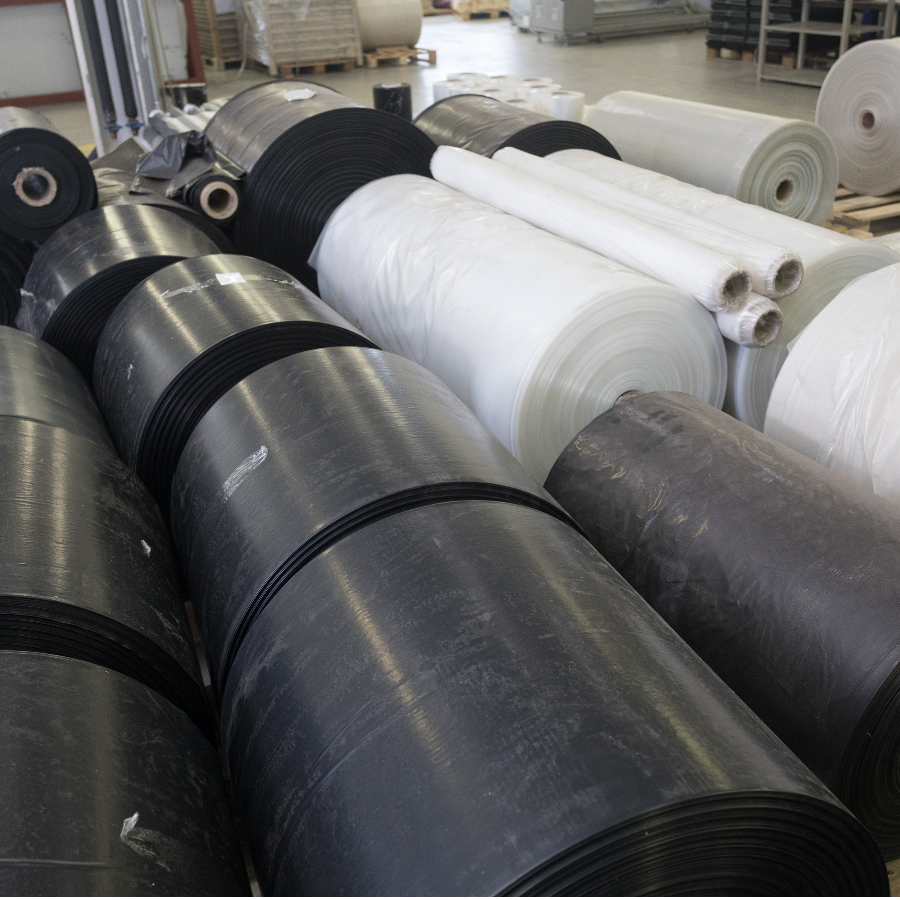
Csomagolófólia automata gépekhez: miért fontos a pontos gyártási beállítás?
Csomagolófólia automata gépekhez: méretpontosság, hegeszthetőség, tekercselés és alapanyagválasztás. Gyakorlati útmutató ipari beszerzőknek.
Csomagolófólia automata gépekhez: méretpontosság, hegeszthetőség, tekercselés és alapanyagválasztás. Gyakorlati útmutató ipari beszerzőknek.
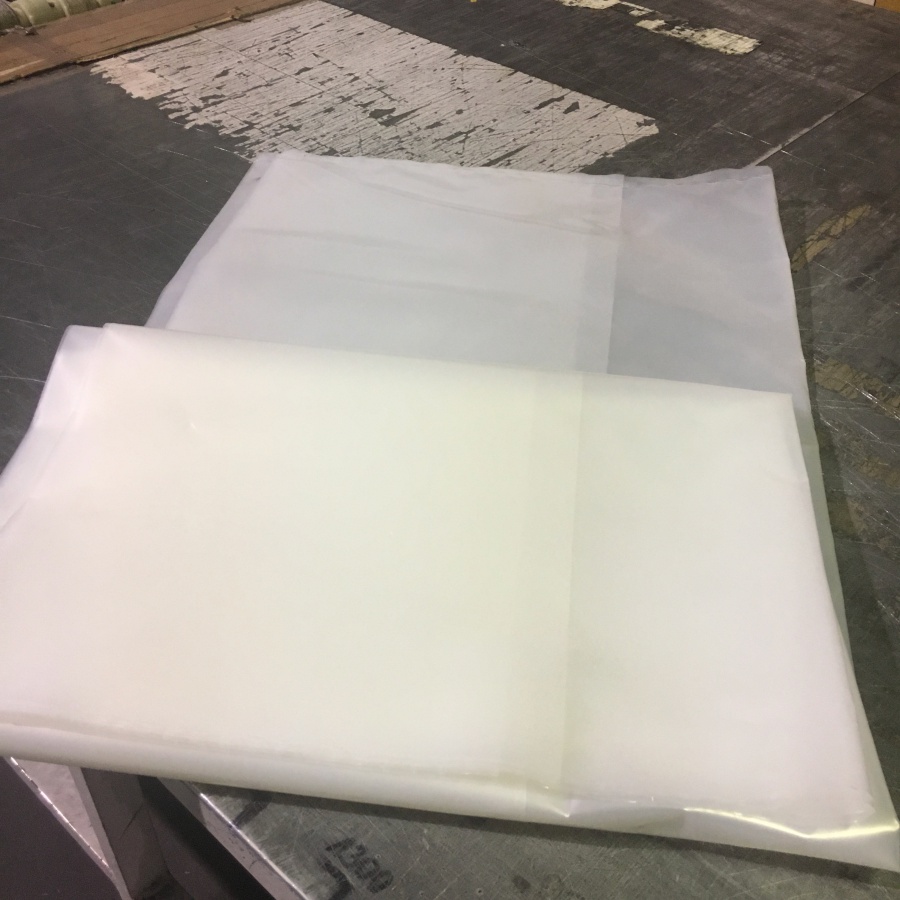
Raklapsapka vagy zsugorsapka? Ismerje meg a különbségeket, a felhasználási területeket és az LDPE alapanyagválasztás legfontosabb szempontjait!
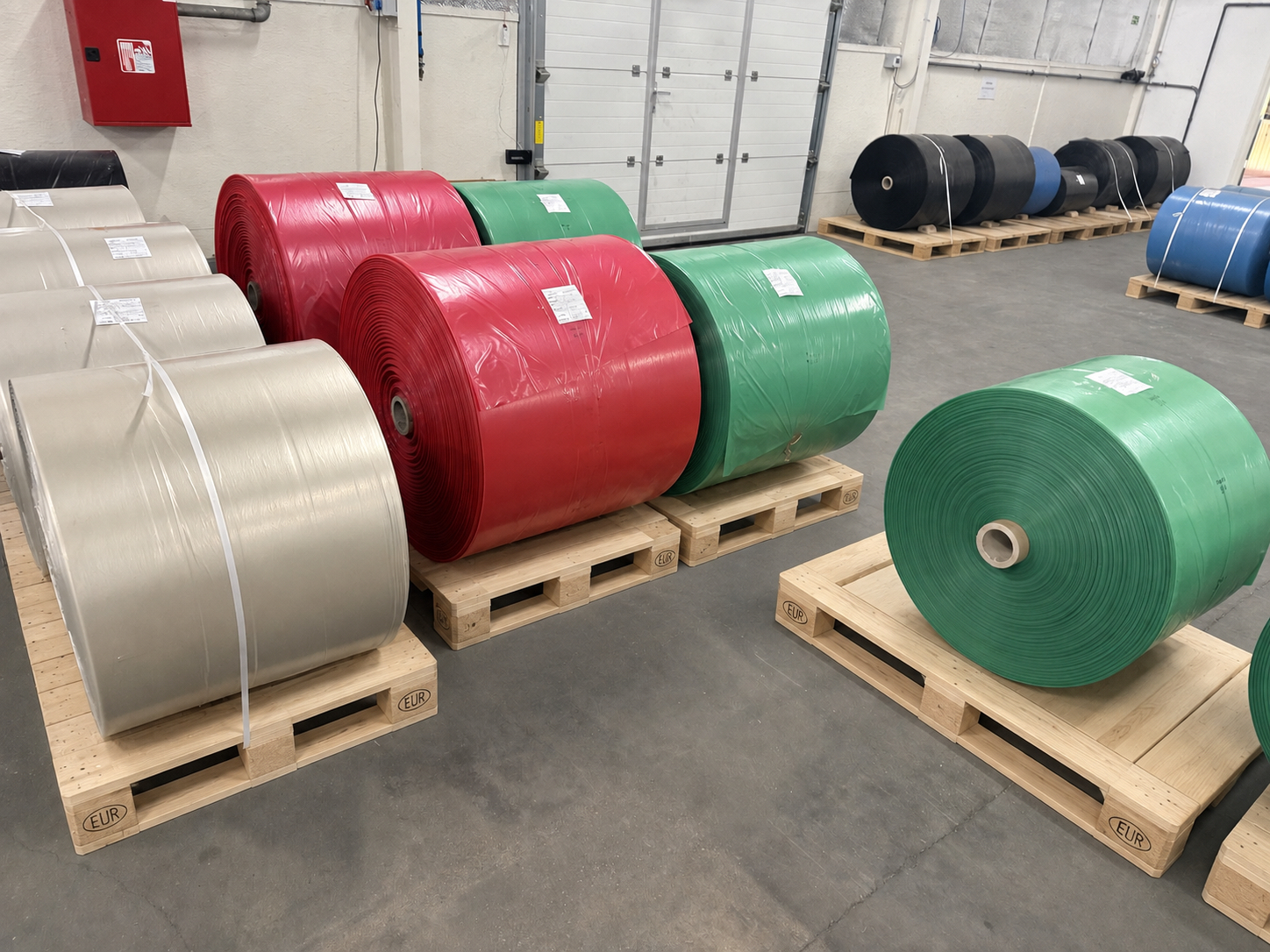
Manufacture of industrial bags from LDPE film, including those made from recycled raw materials. Find out what to look out for in terms of size, thickness, raw materials and before placing a large order. At the same time, it is important to realise that there is no one-size-fits-all answer that applies to every situation. A construction site cover, a bin liner, an industrial bag, a pallet wrap, shrink film or film used on an automatic packaging machine may all require completely different thicknesses and technical properties.
So the right question is not “how thick should the film be?”, but rather what function the film needs to fulfil.
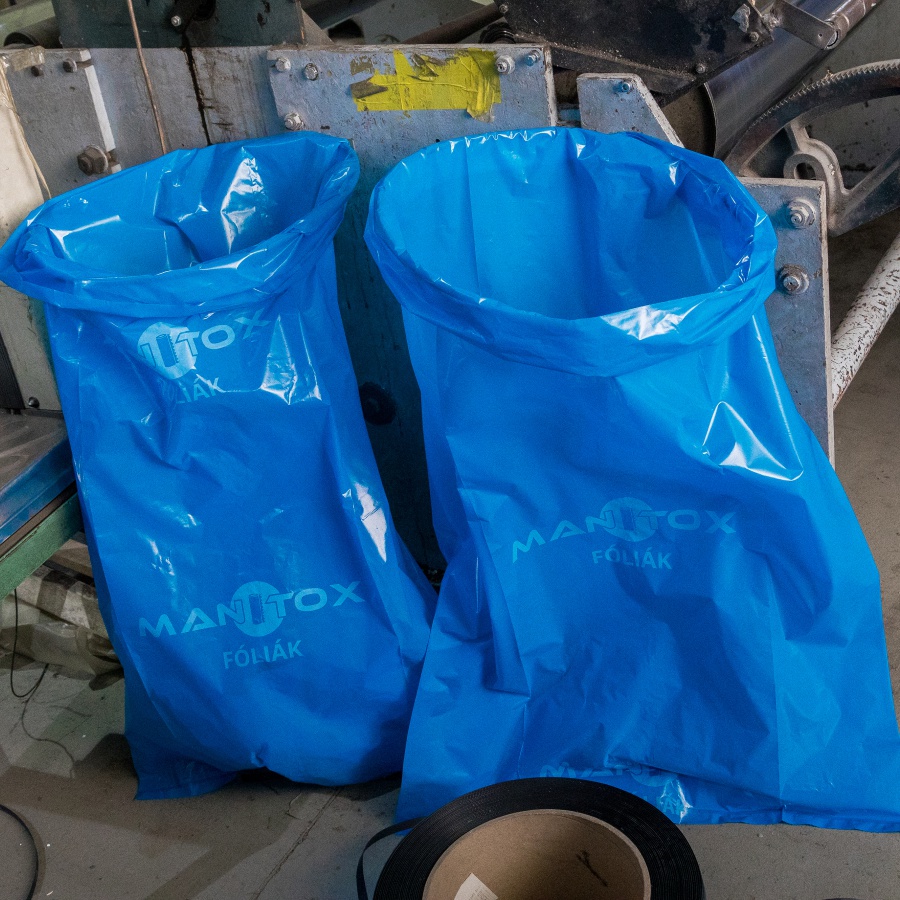
Find out how high-quality bin liners are made from recycled LDPE and what you should bear in mind when placing a large order.This is understandable, as the thickness of the film affects the price, load-bearing capacity, tear resistance, processability and also the extent to which the product protects goods during transport, storage or the manufacturing process.
At the same time, it is important to recognise that there is no one-size-fits-all answer that applies to every situation. A construction site cover film, a bin liner, an industrial sack, a pallet wrap, shrink film or film used on an automatic packaging machine may all require completely different thicknesses and technical properties.
So the right question is not “how thick should the film be?”, but rather what function the film needs to fulfil.
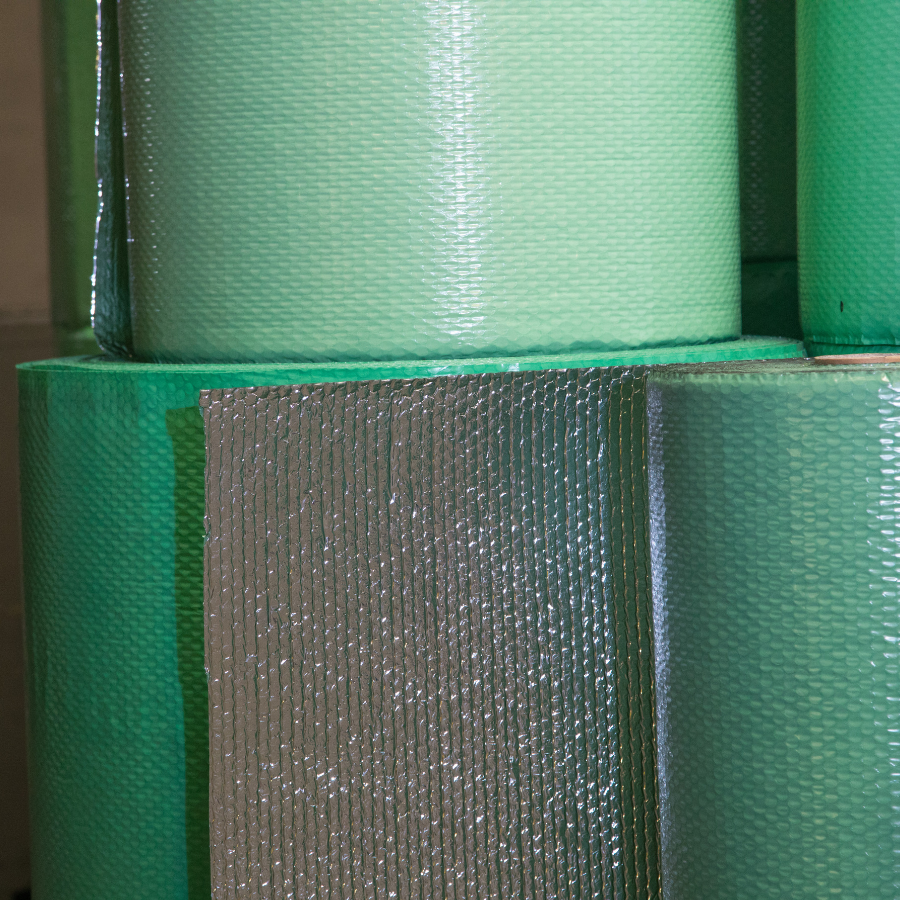
One of the most common questions when selecting LDPE film is its thickness. Many buyers, manufacturers or users of packaging materials want to know, first and foremost, what thickness of film they need for a particular application.
This is understandable, as the thickness of the film affects the price, load-bearing capacity, tear resistance, processability and also the extent to which the product protects the goods during transport, storage or the manufacturing process.
At the same time, it is important to recognise that there is no one-size-fits-all answer that applies to every situation. A construction site cover film, a bin liner, an industrial sack, a pallet wrap, shrink film or film used on an automatic packaging machine may all require completely different thicknesses and technical properties.
So the right question is not “how thick should the film be?”, but rather what function the film needs to fulfil.
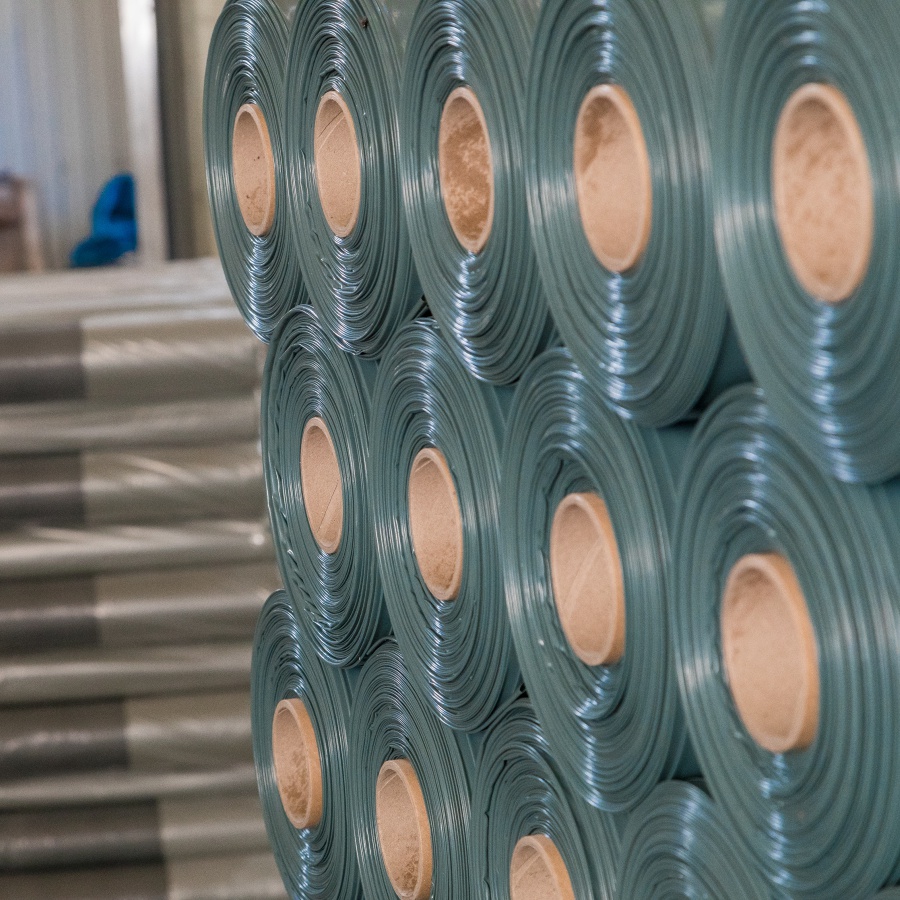
One of the most common questions when selecting LDPE film is its thickness. Many buyers, manufacturers or users of packaging materials want to know, first and foremost, what thickness of film they need for a particular application.
This is understandable, as the thickness of the film affects the price, load-bearing capacity, tear resistance, processability and also the extent to which the product protects the goods during transport, storage or the manufacturing process.
At the same time, it is important to recognise that there is no one-size-fits-all answer that applies to every situation. A construction site cover film, a bin liner, an industrial sack, a pallet wrap, shrink film or film used on an automatic packaging machine may all require completely different thicknesses and technical properties.
So the right question is not “how thick should the film be?”, but rather what function the film needs to fulfil.
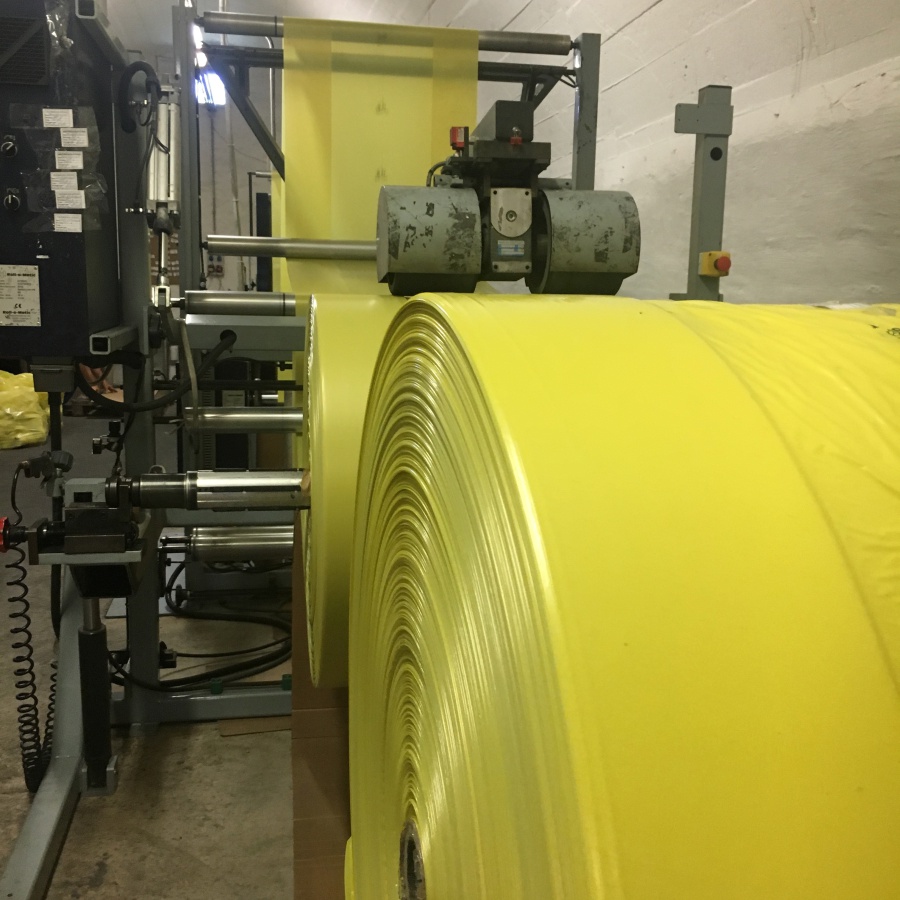
One of the most frequently asked questions regarding recycled films is whether they have an unpleasant odour. Many buyers, manufacturers and users of packaging materials are concerned that recycled LDPE film not only differs in quality from film made from virgin raw materials, but may also cause problems in terms of odour.
This concern is partly understandable. Certain recycled raw materials can indeed have a distinctive odour, particularly when it comes to PCR regranulate derived from consumer waste. However, it is important to recognise that not all recycled film smells, and not every odour poses a genuine problem in terms of use.
The question, therefore, is not whether “recycled plastic film smells”, but rather what raw materials it is made from, what it is used for, and what quality standards it must meet.
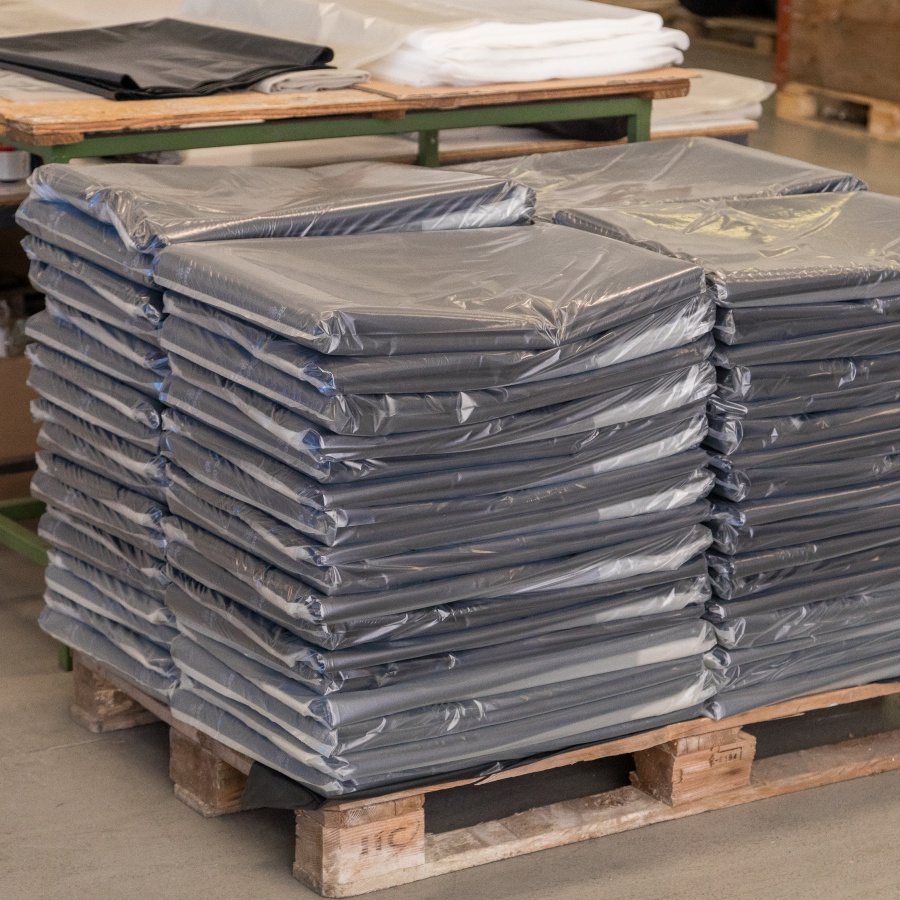
There is growing interest in recycled LDPE films amongst companies in the industrial and packaging sectors. Many companies wish to reduce their use of virgin plastic raw materials, improve their sustainability performance, or meet new requirements set by partners and regulators.
However, when we talk about recycled film, it is very important to make it clear that not all recycled raw materials are the same.
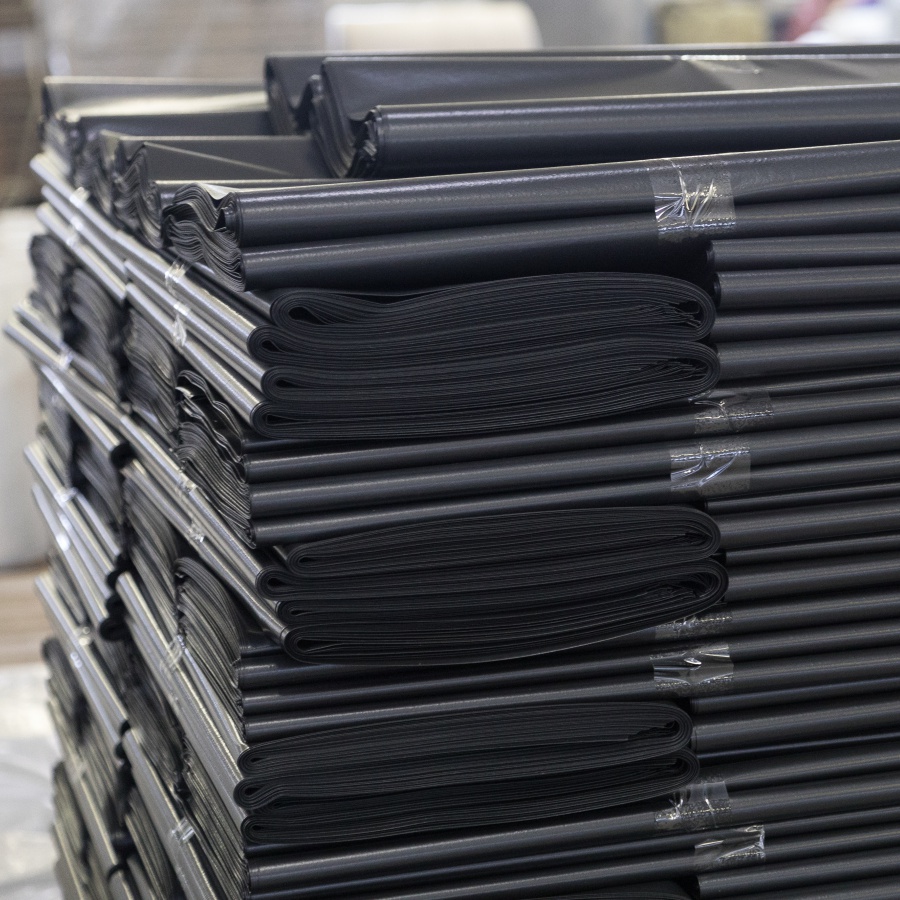
Find out when recycled LDPE film can be used safely, what industrial and packaging applications it is recommended for, and when it is best to opt for virgin material.